How Amul is Leveraging AI to Transform India’s Dairy Industry

Naapbooks Insights • Dairy Industry • 5 min read
Introduction
Amul, one of India’s most trusted dairy brands and a symbol of the country’s cooperative success, has always been known for innovation and operational excellence. In recent years, the organization has begun adopting Artificial Intelligence (AI) and digital technologies to modernize dairy operations, improve supply chain efficiency, enhance product quality, and strengthen customer engagement.
This digital shift reflects how traditional industries can successfully integrate modern technology to remain competitive and scalable in a rapidly evolving market. Businesses adopting AI-powered automation can improve operational efficiency through modern IT automation solutions.
AI in Milk Procurement and Quality Testing
One of the biggest challenges in the dairy industry is ensuring consistent quality and fair pricing for farmers. AI-powered systems help automate milk quality testing through smart sensors and data analysis.
These technologies enable:
- Faster detection of milk quality parameters
- Automated fat and SNF (Solids-Not-Fat) analysis
- Reduction of human errors
- Transparent pricing for farmers
By integrating AI into procurement processes, Amul and similar cooperatives can improve trust and operational accuracy. Digital transformation tools like visitor management systems and smart analytics help organizations streamline operations across industries.
Smart Supply Chain and Demand Forecasting

AI helps analyze historical sales data, seasonal demand, and regional consumption patterns. This allows better forecasting and distribution planning.
Key benefits include:
- Reduced product wastage due to overproduction
- Optimized logistics and cold chain management
- Improved inventory planning across distribution centers
- Faster delivery to retailers and consumers
In a sector where product shelf life is critical, AI-driven supply chain management plays a major role in efficiency. Organizations seeking similar transformation can explore AI consulting services to build data-driven operations.
Automation in Dairy Processing Plants
Modern dairy plants increasingly use AI-based monitoring systems to maintain hygiene, detect machine anomalies, and optimize production lines.
Applications include:
- Predictive maintenance for machinery
- Real-time temperature and hygiene monitoring
- Automated packaging inspection
- Energy consumption optimization
This improves operational reliability while ensuring compliance with food safety standards.
Customer Engagement and Marketing Innovation
- Social media trend analysis
- Consumer sentiment tracking
- Personalized marketing campaigns
- Digital engagement insights
These tools help brands understand consumer behavior and adapt campaigns quickly.
Benefits for Farmers and Cooperatives
AI adoption also strengthens the cooperative ecosystem by:
- Providing data-driven insights to dairy farmers
- Supporting fair payment systems
- Enhancing transparency in procurement
- Improving overall productivity and sustainability
This aligns with Amul’s core mission of empowering farmers through technology and innovation.
Future Outlook
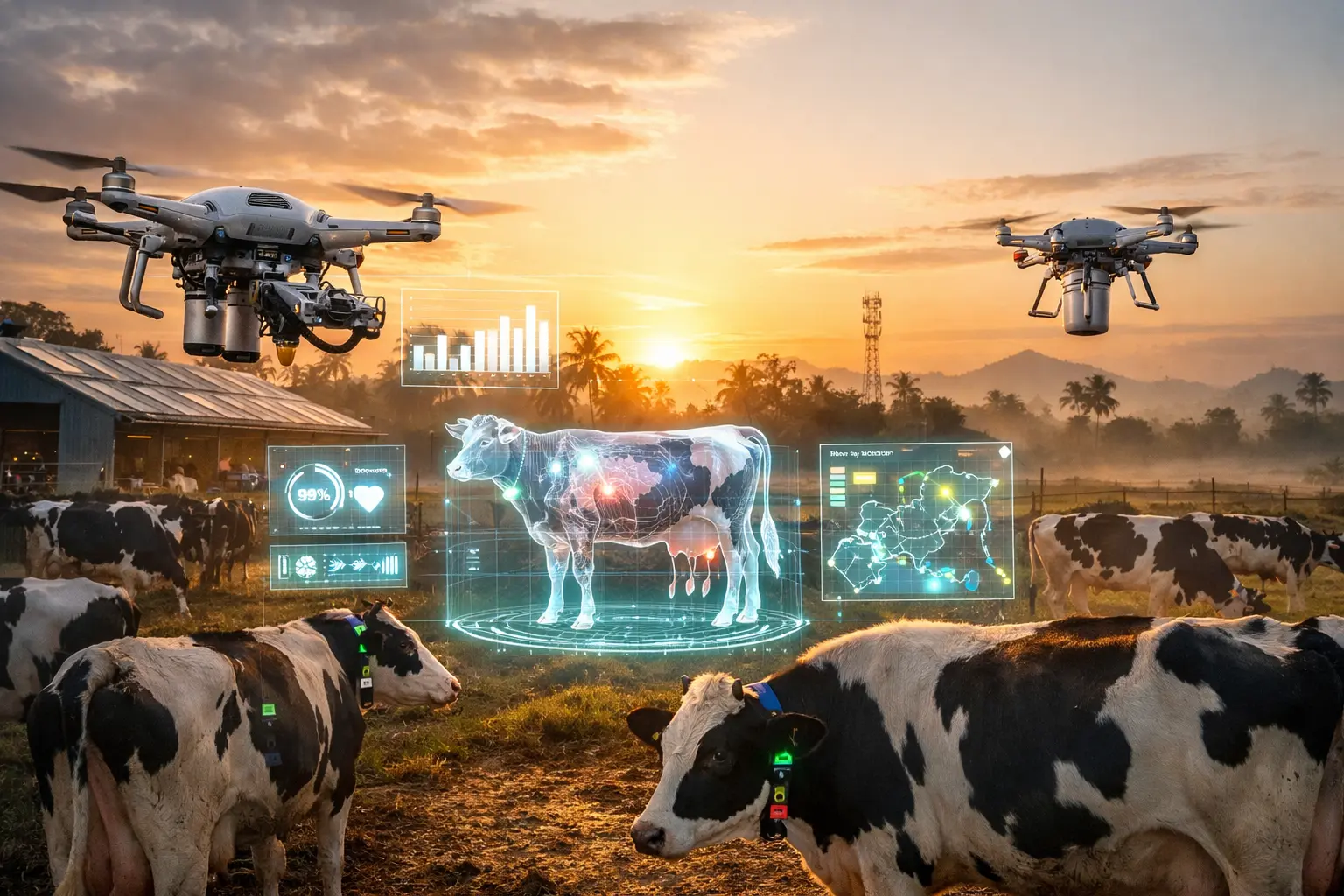
As AI technology continues to evolve, its role in the dairy industry is expected to expand further. From smart farming and automated milk collection to advanced analytics and customer personalization, the future promises a more connected and efficient dairy ecosystem.
Organizations that embrace AI-driven transformation demonstrate how traditional industries can successfully integrate digital innovation without losing their core values.
Conclusion
Amul’s adoption of AI highlights the growing importance of technology in the agricultural and dairy sectors. By combining cooperative values with modern digital tools, the organization sets a strong example for businesses aiming to improve efficiency, quality, and customer satisfaction.
AI is not just a technological upgrade it represents a strategic step toward building a smarter, more sustainable dairy industry.