Why SDD Software Is Mandatory for SEBI Compliance in 2026
InsiderQ • SDD Software • 5 min read
The regulatory landscape in India is changing fast. SEBI compliance rules are getting stricter, and companies can no longer rely on old methods to manage sensitive information. If you're a listed company, compliance officer, or company secretary, you need to understand why SDD software has become essential for staying compliant.
Let me break down everything you need to know about Structured Digital Database. requirements and why ignoring them could cost your company heavily.
Why SEBI Is Getting Strict: The Push for Better Corporate Governance
SEBI regulatory overhaul 2025 is not just talk. The regulator is serious about cleaning up the markets and ensuring fair trading practices.
Market integrity regulations have tightened because insider trading cases keep rising. When people misuse confidential information for personal gain, it destroys investor trust. SEBI enforcement trends show that the watchdog is now actively tracking violations and issuing penalties faster than ever before.
Here's what's driving the change:
- Listed companies must maintain complete transparency in their operations
- Insider trading crackdown India has intensified with better surveillance systems
- Corporate governance strictness now demands proper documentation of every sensitive information exchange
- SEBI audit guidelines require companies to prove they have systems in place to prevent violations
The old ways of managing UPSI (Unpublished Price Sensitive Information) are no longer acceptable. SEBI PIT regulations 2026 make it clear that digital record keeping is not optional anymore.
What Is SDD Software? Understanding the Basics
If you're wondering what is SDD, let me explain it simply.
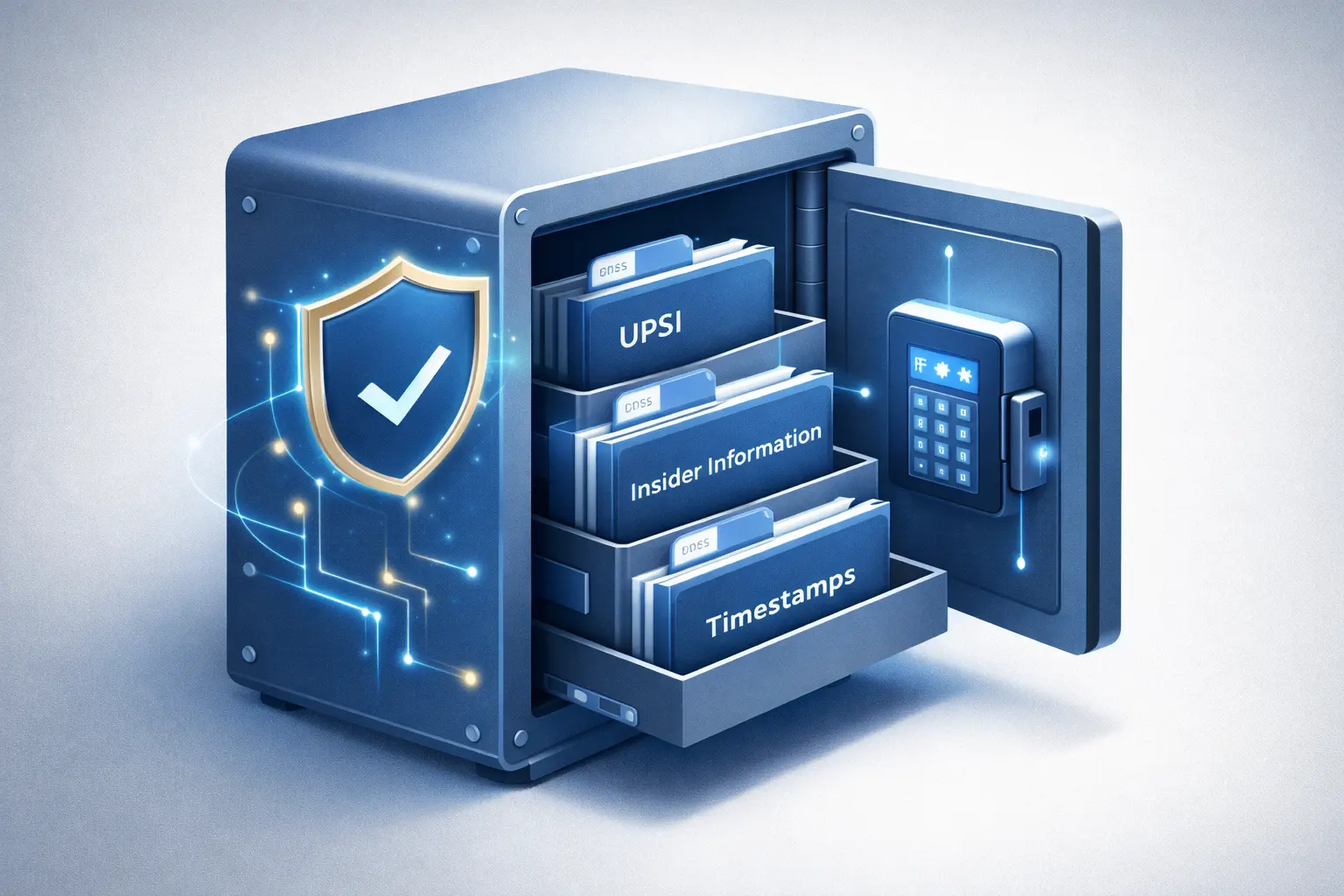
Structured Digital Database is a digital system that records and tracks how UPSI moves within your organization. Think of it as a secure digital diary that automatically logs who shared what information, when they shared it, and who received it.
SDD meaning in compliance goes beyond just storage. It's about creating a tamper-proof record that can withstand regulatory scrutiny. Unlike spreadsheets or paper files, UPSI database software ensures that once data is entered, nobody can alter or delete it without leaving a trace.
Key aspects of digital compliance database systems:
- Records every instance of UPSI sharing automatically
- Stores information in an organized, searchable format
- Maintains security through role based access
- Creates permanent audit trails that satisfy SEBI PIT compliance requirements
SDD software India solutions are specifically designed to meet local regulatory standards while being easy to use for compliance teams.
Why SEBI Made SDD Mandatory: The Regulatory Push
The SEBI SDD mandate 2026 came through the PIT amendment in June 2026, which made digital databases compulsory for all listed entities.
But why is SDD mandatory goes deeper than just following rules. SEBI recognised that manual systems were failing to prevent insider trading violations. The regulator needed a way to ensure that companies could prove their compliance during audits.
Regulation 3(5) PIT compliance specifically requires companies to maintain a structured digital database of all persons with whom UPSI is shared. This is not a suggestion. It's a legal requirement.
The goals behind mandatory SDD for listed companies include:
- Tracking UPSI from the moment it's created until it becomes public
- Preventing misuse of confidential information by insiders
- Ensuring fair trading opportunities for all investors
- Making it easier for SEBI to investigate potential violations
Disclosure norms in India have evolved because regulators worldwide are demanding better transparency. The SEBI circular on SDD clarified that every listed company's compliance mandate must include a functioning digital database system.
Why Manual Records Are Not Enough: The Hidden Dangers
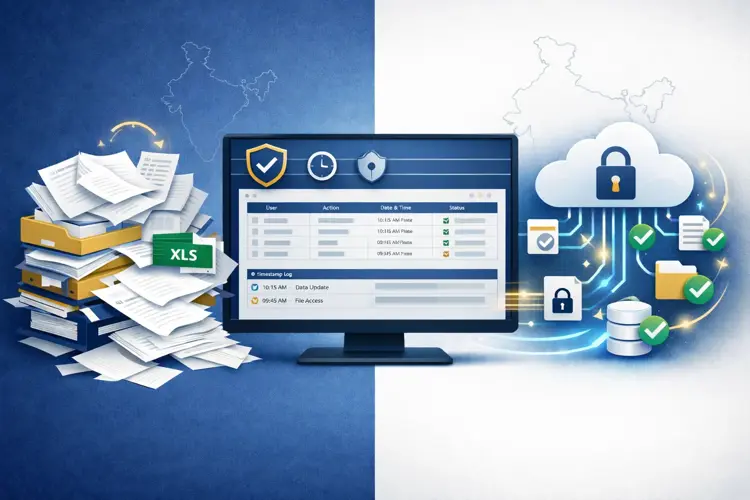
Many companies still use Excel sheets or paper registers to track UPSI. This approach creates serious risks of manual compliance that most people don't realize until it's too late.
Excel compliance tracking issues are numerous. Spreadsheets can be edited without anyone knowing. Files get corrupted. People forget to update entries. During a SEBI audit, these gaps become major problems.
Consider these drawbacks of Excel for UPSI management:
- No automatic timestamps mean you can't prove when information was sharedZ
- The risk of tampered data is extremely high since anyone with access can modify cells
- Manual record audit issues arise when auditors find inconsistencies or missing entries
- Human error leads to incomplete or inaccurate records
Data integrity risks multiply when you rely on manual processes. One person forgets to log a meeting where UPSI was discussed, and suddenly your company faces SEBI audit failures and potential penalties.
The contrast in manual vs digital compliance is stark. While manual systems depend entirely on human diligence, compliance automation vs manual approaches show that digital tools eliminate most common errors automatically.
Compliance error management becomes nearly impossible with spreadsheets because there's no way to track who made changes or when they happened.
How SDD Software Helps Companies: Real Benefits
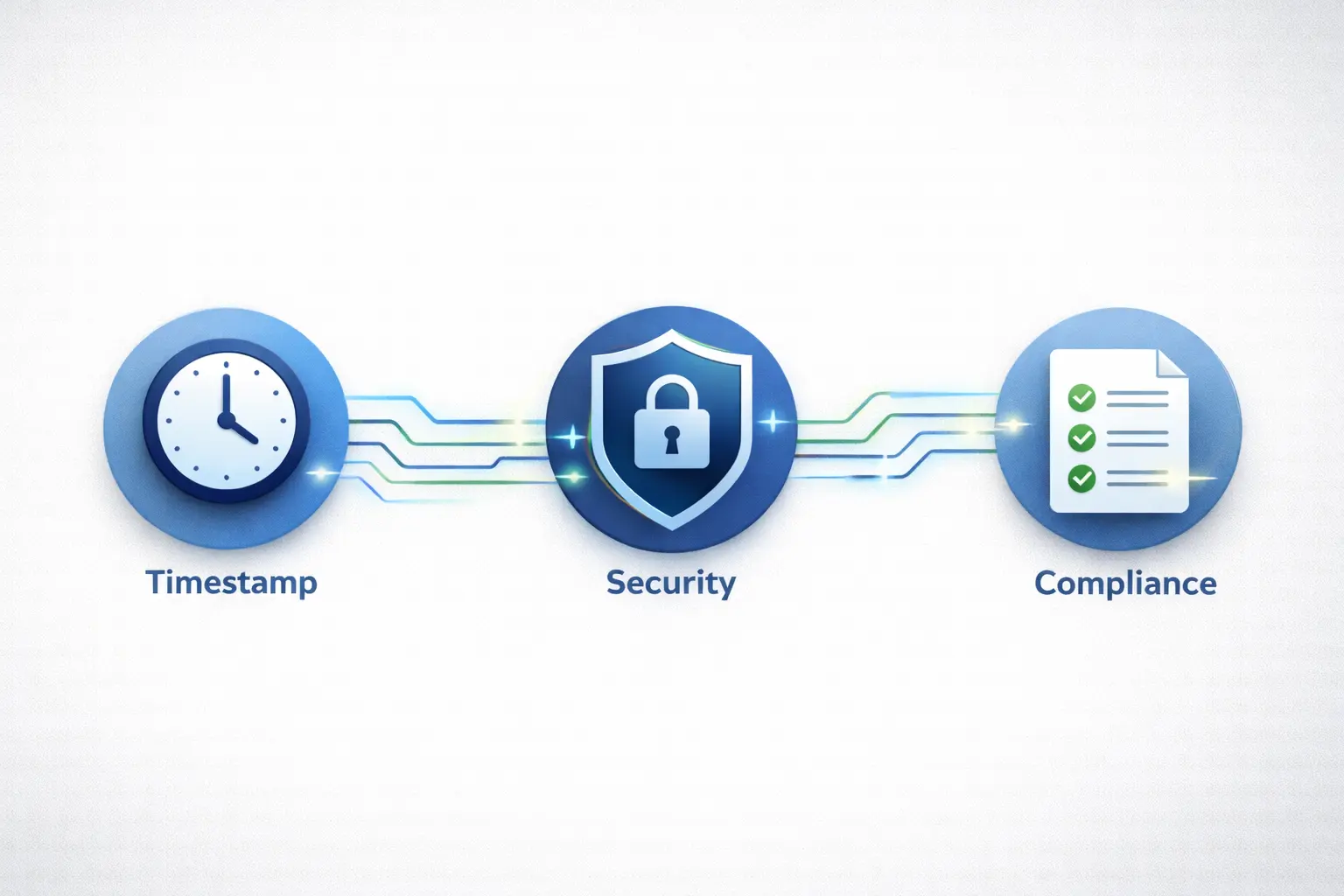
The benefits of SDD software extend far beyond just ticking a regulatory checkbox. These systems transform how compliance teams work.
Compliance automation tools handle the repetitive tasks that used to consume hours of manual work. When someone shares UPSI, the system captures all details instantly without anyone having to remember to log it later.
Here's how audit-ready compliance works in practice:
- Real-time UPSI monitoring alerts compliance officers immediately when sensitive information moves
- Automated UPSI tracking creates complete records without human intervention
- Time stamped logs provide proof of compliance during audits
- Secure storage prevents unauthorized access or tampering
RegTech solutions in India, like SDD software, deliver measurable ROI of compliance software through reduced manual work, fewer errors, and better audit outcomes.
Compliance risk management improves dramatically when you can see exactly who accessed what information and when. Streamlining SEBI reporting becomes simple because all required data is already organized and ready to export.
The SDD software efficiency gains are real. Compliance teams spend less time on record keeping and more time on strategic risk management.
Key Features of Good SDD Software: What to Look For
Not all UPSI management systems are created equal. When evaluating options, focus on these critical SDD software features.
Features of SEBI-compliant SDD systems must include:
- Tamper-proof audit trail that records every action taken in the system
- Time-stamped compliance logs that prove exactly when each event occurred
- Role-based access control ensuring only authorised people see sensitive data
- Digital signature compliance for verifying the authenticity of records
Audit trail for insider trading investigations is perhaps the most important feature. Regulators need to see a complete history of UPSI movement, and your software must provide this without gaps.
Secure digital database architecture protects information through encryption and access controls. SDD tracking features should include customizable alerts, automated reporting, and easy search capabilities.
The best SDD software makes compliance easier, not harder. Look for intuitive interfaces that don't require extensive training to use effectively.
Who Needs to Use SDD Software: Compliance Stakeholders
SDD for listed companies is mandatory, but multiple teams within organizations need access to these systems.
Who needs SDD software includes:
- Compliance officers who manage day to day regulatory requirements
- Company secretaries handling board communications and disclosures
- Legal teams advising on UPSI sharing protocols
- Board member compliance needs when executives receive sensitive information
Compliance officer tools must support their work of monitoring information flows and ensuring adherence to SEBI PIT regulations. Compliance software for CS professionals helps them maintain accurate records for secretarial audits.
SDD for secretarial auditors provides the documentation they need to verify compliance during annual reviews. Even SDD for legal teams proves valuable when responding to regulatory inquiries or internal investigations.
Corporate legal tech in India is expanding rapidly, and compliance requirements for DPs (designated persons) mean that more professionals need access to proper tracking systems.
SDD for SMEs India might seem like overkill for smaller listed entities, but the regulations apply equally regardless of company size.
What Happens If You Don't Use SDD Software: Real Consequences
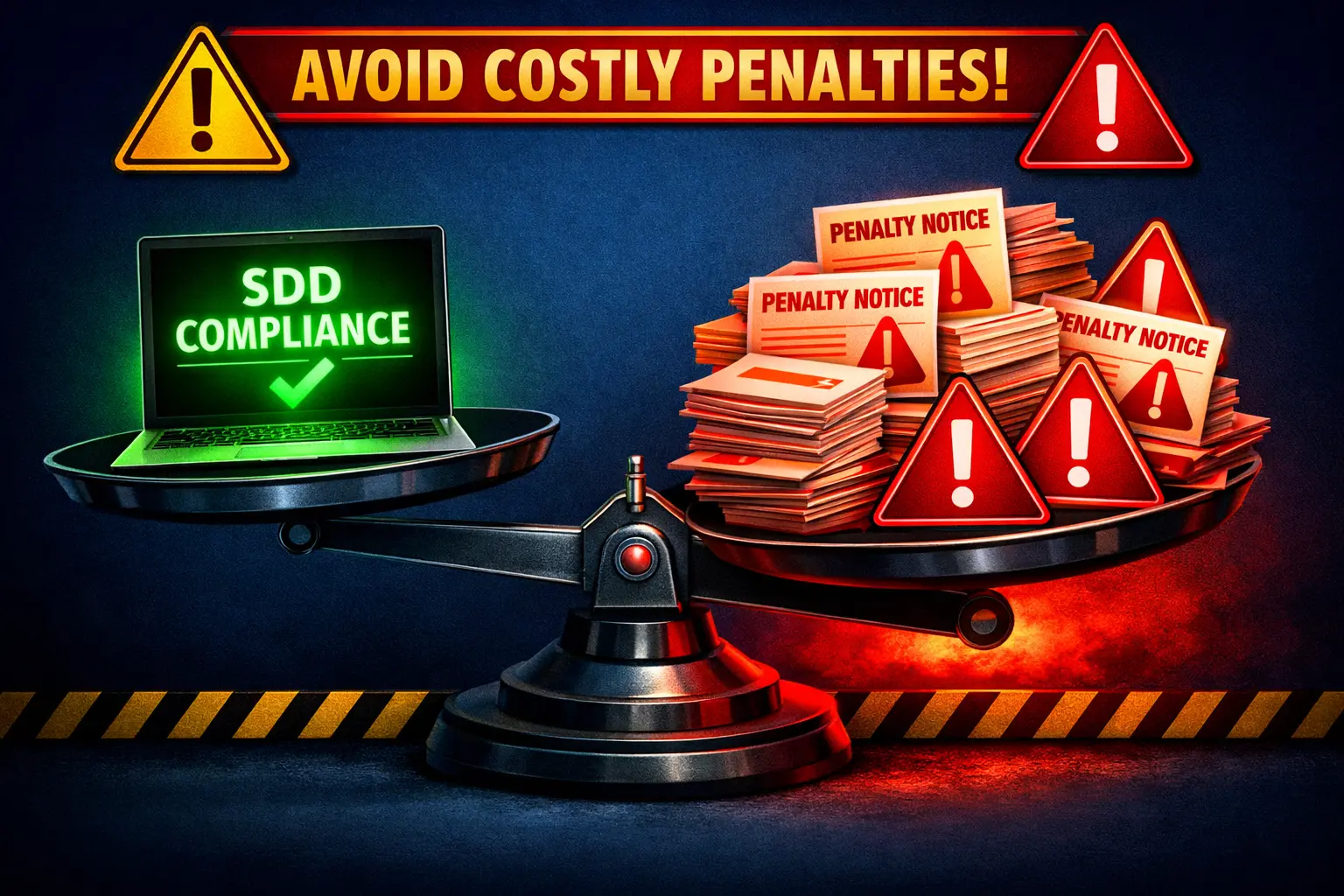
The consequences of PIT violation are severe, and SDD non-compliance risks are not theoretical.
SEBI penalties for non-compliance can include heavy fines, trading bans, and even criminal prosecution in serious cases. Companies have received SEBI show-cause notice demands simply for failing to maintain proper records.
Risk of non-compliant SDD systems includes:
- Financial penalties that can reach lakhs of rupees
- Regulatory scrutiny through increased audit frequency
- Reputational damage that affects stock prices and investor confidence
- Personal liability for compliance officers and directors
Insider trading violations become much harder to defend against when you lack proper documentation. SEBI enforcement actions 2025 are targeting companies with weak compliance systems.
Penalties for missing SDD requirements have increased as regulators take a firmer stance. Regulatory fines in India for compliance failures are designed to hurt enough that companies take prevention seriously.
SDD audit penalties compound when multiple violations are found. The cost of implementing proper SDD software is tiny compared to the potential penalties and legal costs from non-compliance.
Future of SEBI Compliance: What's Coming Next
Future of RegTech India points toward even more automation and real time monitoring. SEBI is investing heavily in technology to track market activity and identify potential violations faster.
Emerging compliance trends 2025 include:
- AI in compliance software for detecting unusual patterns in UPSI sharing
- Predictive audit tech that helps companies identify risks before regulators do
- Real-time regulatory reporting requirements that eliminate reporting delays
- Automated secretarial audits using machine learning to review compliance records
Digital transformation SEBI initiatives suggest that paper-based processes will eventually disappear entirely. AI-driven UPSI detection systems may become mandatory for large listed companies within the next few years.
SEBI tech roadmap 2026 emphasises integration between different regulatory systems. The future of corporate governance will likely require seamless data sharing between companies and regulators.
Companies that adopt the best compliance tech 2026 solutions now will be better positioned for whatever requirements come next.
Conclusion: SDD Software Is No Longer Optional
SDD software implementation doesn't have to be complicated. Most top RegTech platforms offer straightforward setup and ongoing support. The key is choosing the right SDD software that fits your organization's size and needs.
Mandatory SDD implementation guide requirements are clear. Every listed entity must have a functioning system in place. SDD software for corporate India has matured rapidly, with multiple reliable vendors offering solutions.