Top 10 Blockchain Solutions Every Business Should Know

Naapbooks Insights • Blockchain Solutions • 9 min read
Blockchain used to mean one thing: cryptocurrency. That's no longer true. Today, businesses in finance, healthcare, manufacturing, retail, logistics, and government are using blockchain to solve problems that have nothing to do with digital coins problems like data security, transparency, and slow, expensive processes.
If you've been putting off learning about blockchain because it felt too technical or too tied to crypto trading, this guide is for you. We'll walk through the top 10 blockchain solutions every business should know about in 2026, explain how each one works in plain language, and show you where it delivers real value.
Quick Answer: Blockchain is no longer just about cryptocurrency. In 2026, businesses use it for smart contracts, supply chain tracking, secure digital identity, faster payments, healthcare data sharing, asset tokenization, DeFi, cybersecurity, digital asset management, and ESG reporting.
By the end of this article, you'll understand what blockchain actually is, why enterprise adoption keeps growing, and how to decide if a blockchain solution makes sense for your business.
What Is Blockchain Technology?
At its core, blockchain is a digital record-keeping system. Instead of one company or server storing all the data, information is spread across a network of computers. Every new piece of data is added as a "block," and each block is linked to the one before it forming a chain that's extremely difficult to alter without everyone in the network noticing.
Definition: Blockchain is a decentralized, shared digital ledger that records transactions across many computers so that no single record can be changed without changing every subsequent block and gaining network agreement.
How Blockchain Works
When a transaction happens a payment, a data update, a contract execution it gets grouped with other transactions into a block. That block is verified by the network, then permanently added to the chain. Because the record is distributed rather than centralized, it's harder to hack, forge, or lose.
Public vs. Private vs. Consortium Blockchain
Businesses don't all use the same type of blockchain. The three main models serve different needs, as shown below.
| Type | Who Controls It | Best For |
|---|---|---|
| Public | Open to anyone | Transparency-driven use cases like cryptocurrency |
| Private | One organization | Internal data management and confidentiality |
| Consortium | A group of organizations | Industry collaboration, like banking or supply chains |
Why Businesses Are Adopting Blockchain
Companies are moving toward blockchain because it addresses long-standing pain points: data that can be tampered with, slow multi-party transactions, and a lack of trust between business partners who don't share the same systems.
Benefits of Blockchain for Businesses
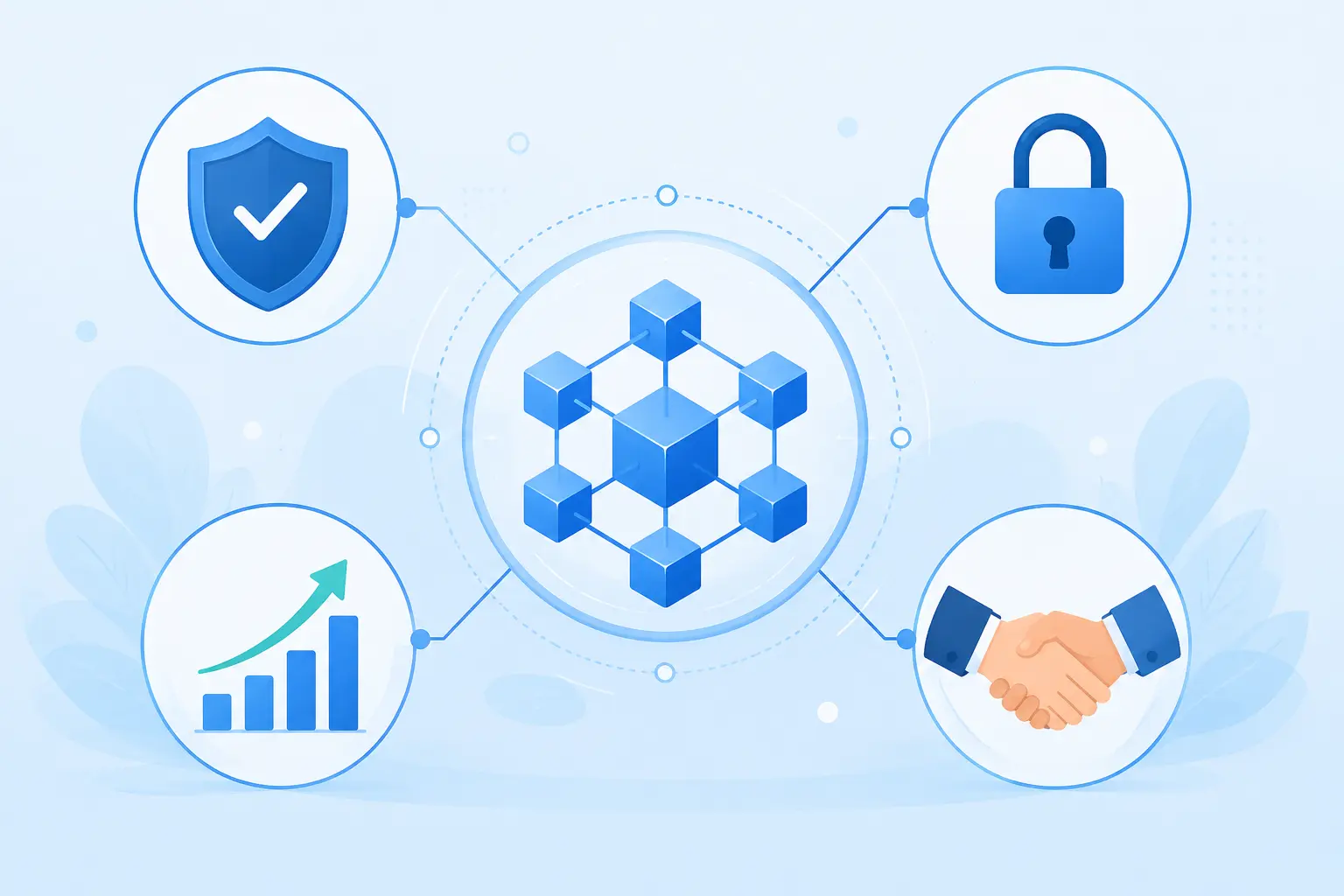
Before diving into specific solutions, it helps to understand why blockchain matters at a business level.
- Improved data security records are encrypted and distributed, making unauthorized changes far harder.
- Greater transparency all authorized parties can view the same verified data.
- Reduced operational costs automation cuts down on manual processing and intermediaries.
- Faster transactions many processes that took days can happen in minutes.
- Better compliance an unchangeable audit trail supports regulatory reporting.
- Enhanced customer trust verifiable data builds confidence with customers and partners.
Top 10 Blockchain Solutions for Business
1. Smart Contracts
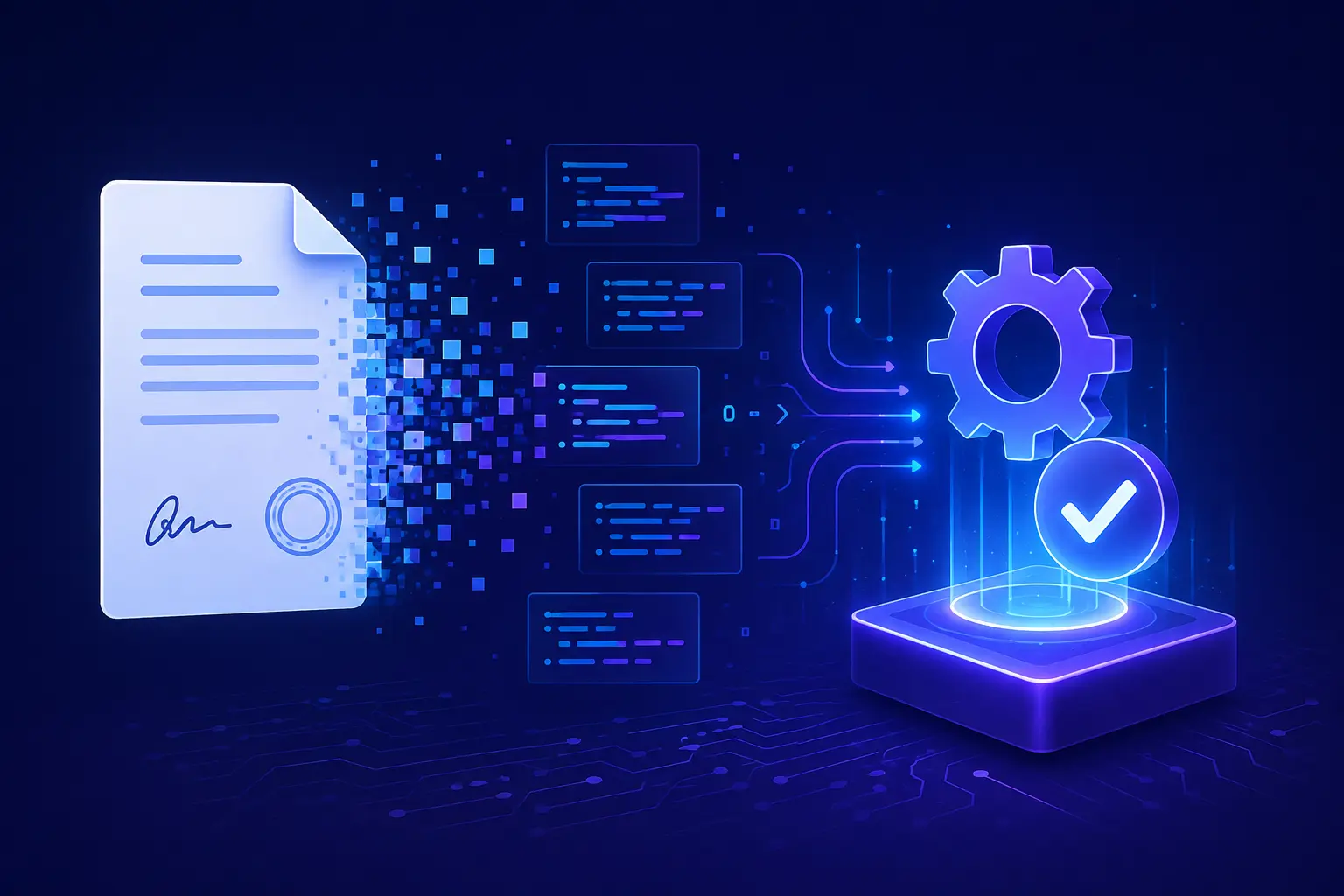
Smart contracts are self-executing agreements written in code. When predefined conditions are met, the contract runs automatically no manual approval, paperwork, or middleman required.
Business applications include automated vendor payments, insurance claim processing, and licensing agreements.
Key benefits: faster execution, reduced administrative overhead, and fewer disputes since the terms are transparent and enforced by code.
Industries using them: finance, real estate, insurance, and legal services.
2. Supply Chain Management
Blockchain gives businesses a verifiable, end-to-end record of how a product moves from raw material to customer.
- Product traceability every step of the journey is logged and visible.
- Counterfeit prevention tampered or fake products are easier to identify.
- Real-time tracking stakeholders see shipment status as it happens.
- Inventory transparency all partners work from the same verified data.
3. Digital Identity Management
Blockchain-based identity systems let individuals and businesses prove who they are without relying on a single centralized database that can be breached.
- Identity verification happens through cryptographic proof rather than shared passwords.
- Customer onboarding becomes faster since verified credentials can be reused securely.
- Fraud prevention improves because identity data can't be silently altered.
- Secure authentication reduces reliance on vulnerable login systems.
4. Cross-Border Payments
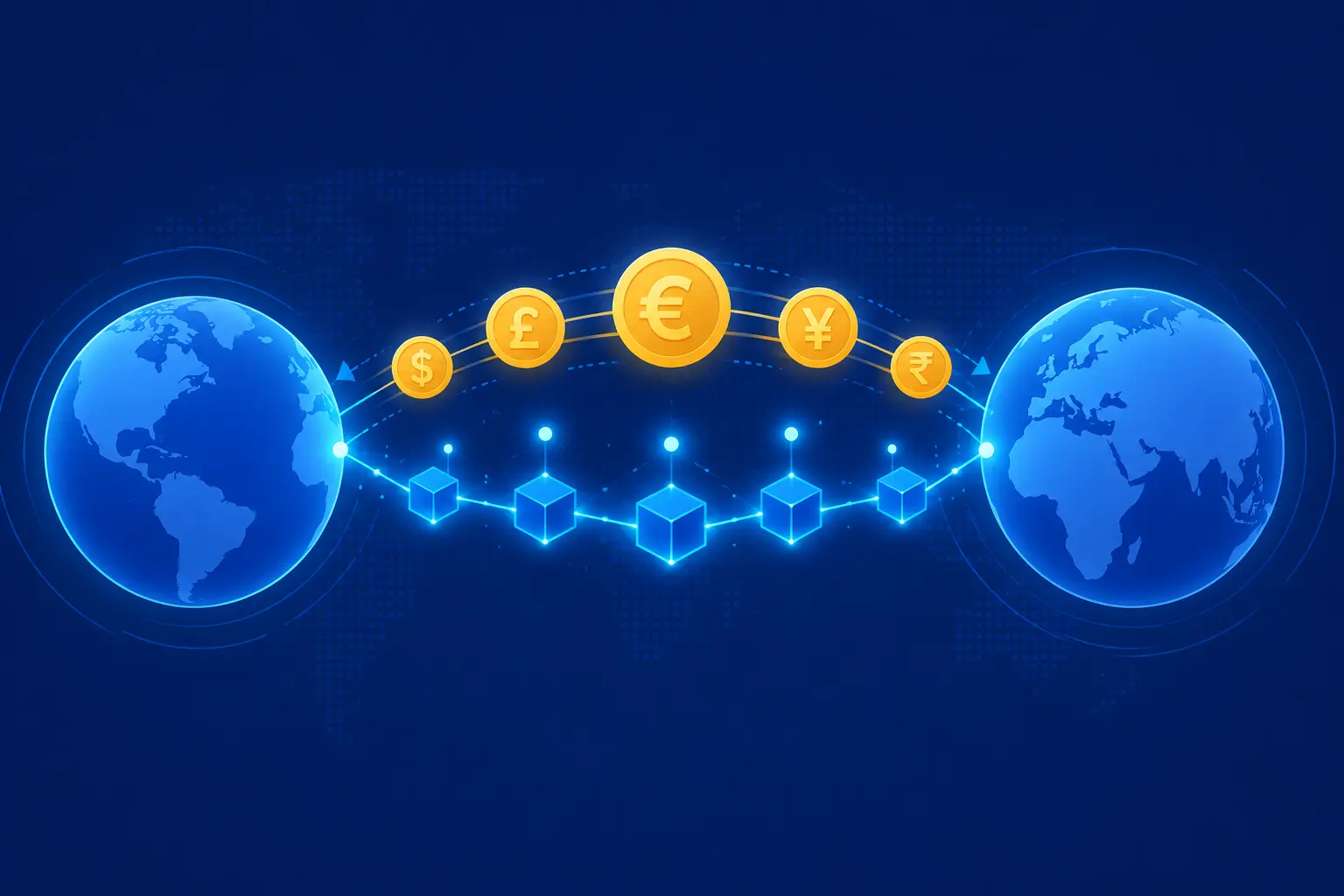
International payments have traditionally been slow and expensive due to multiple intermediary banks. Blockchain removes many of those middle steps.
Faster international transactions, lower processing costs, and greater financial transparency make this one of the most practical blockchain use cases for global businesses, particularly in banking.
5. Healthcare Data Management
Healthcare organizations manage highly sensitive data across multiple providers. Blockchain helps by creating secure, shared patient records that remain tamper-resistant.
This supports medical data sharing between providers, strengthens privacy compliance, and enables better healthcare collaboration without compromising patient confidentiality.
6. Asset Tokenization
Tokenization converts real-world assets like real estate, art, or equipment into digital tokens on a blockchain.
- Physical asset digitization makes ownership records verifiable and transferable.
- Real estate tokenization allows properties to be represented digitally.
- Fractional ownership lets multiple investors own a share of a high-value asset.
- Investment opportunities open up to a wider pool of participants.
7. Decentralized Finance (DeFi) Solutions
DeFi platforms offer financial services lending, borrowing, and other transactions without traditional banks acting as intermediaries.
Lending platforms and borrowing systems operate through smart contracts, giving businesses access to digital financial services and new business finance opportunities outside conventional banking channels.
8. Blockchain-Based Cybersecurity
Because blockchain records can't be quietly altered, it's a strong foundation for cybersecurity infrastructure.
- Data protection benefits from decentralized storage.
- Tamper-proof records make it obvious when something has been changed.
- Secure access control limits who can view or modify sensitive systems.
- Threat detection improves through transparent, auditable activity logs.
9. NFT and Digital Asset Management
Non-fungible tokens (NFTs) aren't just collectibles businesses use them to manage digital ownership.
This includes digital ownership verification, brand protection against counterfeiting, intellectual property management, and emerging enterprise NFT use cases like verifying authenticity of digital products.
10. Blockchain for ESG and Sustainability
As environmental and social accountability becomes a business priority, blockchain offers a way to verify sustainability claims.
- Carbon tracking records emissions data transparently.
- ESG reporting becomes more accurate and auditable.
- Ethical sourcing can be verified through supply chain records.
- Sustainability verification builds trust with regulators and customers.
Industries Benefiting Most from Blockchain
Blockchain isn't limited to one sector. It's actively reshaping the following industries:
- Banking & Financial Services
- Healthcare
- Manufacturing
- Retail & E-commerce
- Logistics & Supply Chain
- Real Estate
- Government
- Insurance
- Energy
- Education
How to Choose the Right Blockchain Solution
Use this checklist to evaluate blockchain solutions before making a decision:
- Define your business goals clearly before selecting a technology.
- Assess scalability to ensure the solution grows with your business.
- Evaluate security features and how data is protected.
- Check integration with your existing systems.
- Confirm regulatory compliance for your industry and region.
- Review total cost considerations, not just setup cost.
- Choose a vendor with proven blockchain expertise.
Future Trends in Enterprise Blockchain

Blockchain technology continues to evolve. Key trends shaping its future include:
- AI + Blockchain integration combining automation with verifiable data.
- Blockchain-as-a-Service (BaaS) making blockchain accessible without heavy infrastructure investment.
- Web3 enterprise adoption businesses building on decentralized web infrastructure.
- Zero-Knowledge Proofs (ZKPs) verifying information without exposing underlying data.
- Decentralized Identity (DID) giving individuals more control over their own identity data.
- Interoperable blockchain networks different blockchains working together seamlessly.
- Tokenized business ecosystems more assets and processes represented digitally.
Conclusion
Blockchain has moved well past its cryptocurrency origins. From smart contracts and supply chain tracking to healthcare data management and ESG reporting, the top 10 blockchain solutions covered here show just how broadly this technology now applies across industries.
Businesses that adopt blockchain strategically with clear goals and the right vendor position themselves to operate more securely, transparently, and efficiently. As we move further into 2026, staying informed about these solutions isn't optional anymore. It's part of staying competitive in a digital-first economy.
Key Takeaways
- Blockchain has expanded far beyond cryptocurrency into mainstream business use.
- The three blockchain models public, private, and consortium serve different business needs.
- Smart contracts, supply chain management, and digital identity are among the most widely adopted enterprise solutions.
- Cross-border payments and DeFi are transforming how businesses handle finance.
- Healthcare, ESG, and cybersecurity are emerging high-value blockchain applications.
- Choosing the right solution requires evaluating scalability, security, compliance, and vendor expertise.
- Future trends like AI integration, BaaS, and decentralized identity will shape blockchain's next phase.