No UPSI Doesn't Mean No Compliance Risk | InsiderQ

InsiderQ • Compliance Insights • 6 min read
- Compliance Is About Systems, Not Just Violations
- Why Internal Controls Are Becoming a Regulatory Priority
- Manual Compliance Leaves Too Many Blind Spots
- Manual Compliance vs Compliance Automation
- SEBI Requirement vs Business Benefit
- How InsiderQ Strengthens Compliance
- Building a Culture of Preventive Compliance
- Expert Insight
- Conclusion
When a listed company reviews a trading activity, the first question compliance teams usually ask is simple: was Unpublished Price Sensitive Information (UPSI) involved? If the answer is no, many organizations assume the review is complete.
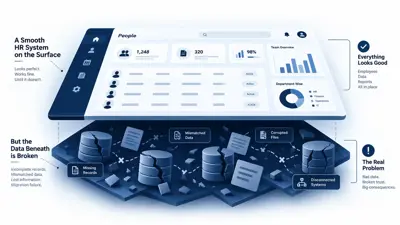
This assumption is where things go wrong. The No UPSI compliance risk conversation doesn't end just because UPSI wasn't part of a transaction. Under the SEBI (Prohibition of Insider Trading) Regulations, regulators look far beyond whether insider trading occurred. They also examine whether a company's internal controls, documentation, and governance processes actually work as designed.
In other words, a clean UPSI check doesn't automatically mean a clean compliance record. Weak internal controls, incomplete disclosures, or poor record-keeping can still invite regulatory scrutiny, even when no sensitive information changed hands.
This article breaks down why that gap exists, what SEBI expects from listed companies, and how structured internal controls, supported by compliance automation, help organizations move from reactive firefighting to proactive governance.
Compliance Is About Systems, Not Just Violations
Regulatory compliance under SEBI PIT Regulations was never designed to check a single box. It requires a complete framework that governs how designated persons trade, how trades are approved, how disclosures are filed, and how sensitive information is protected at every stage.
A company can have zero instances of actual insider trading and still carry significant compliance risk if its underlying systems are inconsistent or poorly enforced.
Common Compliance Gaps That Create Risk
Even well-intentioned compliance teams often carry gaps such as:
- Trades executed without mandatory pre-clearance
- Delayed or missing disclosures
- Incomplete Structured Digital Database (SDD) records
- Inaccurate mapping of immediate relatives
- Missed or poorly monitored trading window restrictions
- Late identification of contra trades
- Undocumented or inconsistent investigation procedures
None of these gaps prove insider trading occurred. But each one signals a governance weakness, and governance weaknesses are exactly what regulators are trained to look for.
Definition Block: What Counts as a Compliance Gap?
A compliance gap is any point where a company's actual practice does not match its documented policy or regulatory obligation. For example, approving a trade without verifying pre-clearance, even if the trade itself was legitimate.
Why Internal Controls Are Becoming a Regulatory Priority
SEBI's supervisory approach has shifted over the years. Rather than asking only "did insider trading happen," regulators now routinely evaluate whether a company had adequate preventive internal controls in place before, during, and after a trade.
During inspections or inquiries, regulators commonly ask:
- Was the designated person correctly identified and classified?
- Were immediate relatives mapped accurately and kept up to date?
- Was pre-clearance genuinely verified, or simply rubber-stamped?
- Was the trading window actively monitored, not just communicated?
- Was UPSI access logged and traceable?
- Were investigations conducted consistently, with documented outcomes?
A company that cannot answer these questions with confidence may end up defending its entire compliance framework, not just a single trade.
Why Internal Controls Matter
Internal controls matter under SEBI PIT Regulations because they prevent compliance failures before they happen. They ensure that pre-clearance, disclosures, UPSI access, and trading activity are properly documented, monitored, and enforced. This reduces the risk of regulatory action even when no actual insider trading has occurred.
Manual Compliance Leaves Too Many Blind Spots

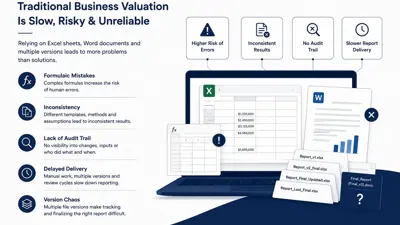
Many compliance teams still rely on spreadsheets, email approvals, and manual tracking. This approach may work when a company is small, but it breaks down as the organization, employee base, and transaction volume grow.
Typical problems include:
- Approval records scattered across emails and folders
- Trade histories that are hard to reconstruct or verify
- Incomplete or inconsistent audit trails
- Higher risk of human error in tracking and reporting
- Inconsistent enforcement of policy across departments
During audits or regulatory inquiries, reconstructing historical records manually is slow, stressful, and often reveals documentation gaps the company didn't know existed.
Manual Compliance vs Compliance Automation
| Compliance Activity | Manual Process | Compliance Automation (e.g., InsiderQ) |
|---|---|---|
| Pre-clearance approval | Emails, manual sign-off, easy to miss steps | Automated Pre-Clearance Workflow with built-in verification |
| Trading window tracking | Manually communicated, hard to enforce | Digital Trading Window Management with real-time restrictions |
| UPSI record-keeping | Scattered files, inconsistent formats | Centralized Structured Digital Database (SDD) |
| Designated person mapping | Spreadsheets, prone to outdated data | Automated Designated Person & Immediate Relative Management |
| Disclosure filing | Manual reminders, missed deadlines | Automated Disclosure Management with alerts |
| Audit readiness | Time-consuming reconstruction of records | Audit-ready Compliance Records available on demand |
This comparison shows why automation isn't just a convenience. It directly reduces the same blind spots that create regulatory exposure.
SEBI Requirement vs Business Benefit
| SEBI PIT Requirement | Business Benefit When Properly Implemented |
|---|---|
| Structured Digital Database (SDD) maintenance | Full traceability of UPSI sharing, stronger audit defense |
| Trading window restrictions | Reduced risk of inadvertent violations by designated persons |
| Pre-clearance for designated persons | Documented proof of due diligence before every trade |
| Disclosure timelines | Fewer penalties, stronger regulatory relationship |
| Code of Conduct enforcement | Consistent culture of compliance across the organization |
| Investigation documentation | Faster, more confident response to regulatory queries |
How InsiderQ Strengthens Compliance
InsiderQ by Naapbooks is built to simplify insider trading compliance by digitizing the entire governance lifecycle, from designated person identification to audit-ready reporting.
Instead of managing disconnected spreadsheets and email threads, compliance teams get a centralized platform for monitoring, approvals, reporting, and record management.
Key Capabilities
- Digital Trading Window Management
- Automated Pre-Clearance Workflow
- Designated Person & Immediate Relative Management
- Structured Digital Database (SDD) / SDD Software
- UPSI Management
- Contra Trade Monitoring
- Disclosure Management
- Audit-ready Compliance Records
- Real-time Notifications & Alerts
- Comprehensive Compliance Reports
By automating these processes, compliance teams reduce dependence on manual follow-up and ensure that policies are applied consistently, not just when someone remembers to check.
How Compliance Automation Helps
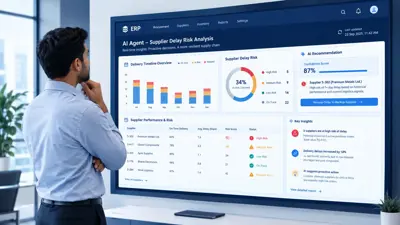
Compliance automation helps by removing manual dependency from repetitive but critical tasks, including pre-clearance checks, trading window enforcement, disclosure reminders, and UPSI record-keeping. This reduces human error, improves audit readiness, and gives compliance officers real-time visibility instead of after-the-fact reconstruction.
Building a Culture of Preventive Compliance
Strong governance isn't about reacting after something goes wrong. It's about preventing failures before they happen. Organizations should periodically ask themselves the following.
Internal Controls Checklist
- Are our policies practical and easy for employees to follow?
- Are approval workflows properly documented end-to-end?
- Do designated persons and their immediate relatives understand their obligations?
- Are investigations conducted using a standardized, repeatable process?
- Can our compliance records withstand a regulatory review today, without preparation time?
- Is our Structured Digital Database complete and current?
- Is trading window monitoring active rather than just communicated?
A mature compliance framework builds transparency and accountability for regulators, auditors, boards, and investors alike.
Key Takeaways
- No UPSI compliance risk is real. The absence of UPSI does not automatically mean a company's compliance framework is sound.
- Regulators assess systems and controls, not just individual violations.
- Manual processes create blind spots that surface during audits or inquiries.
- A Structured Digital Database, active trading window management, and a verified pre-clearance workflow are foundational, not optional.
- Compliance automation helps convert scattered manual effort into consistent, audit-ready governance.
Expert Insight
"Companies often treat the absence of UPSI as a clean bill of health. In reality, regulators are far more interested in whether your controls would hold up under scrutiny on an ordinary trading day, not just during a crisis. Consistent enforcement, not perfect outcomes, is what builds regulatory confidence."
InsiderQ Compliance Insights Team
How does InsiderQ support SEBI PIT compliance?
InsiderQ automates trading window management, pre-clearance workflows, disclosure management, UPSI tracking, Structured Digital Database maintenance, and audit-ready reporting for listed companies.
Can a company be penalized even if no insider trading actually occurred?
Yes. SEBI can act on process failures alone, such as missing disclosures, poor SDD maintenance, or unverified pre-clearance, regardless of whether the underlying trade involved UPSI.
Conclusion
The absence of UPSI should never be treated as the end of a compliance review. Today's regulatory environment goes beyond identifying insider trading incidents. It evaluates whether a company has the governance systems to prevent, detect, document, and respond to compliance risks consistently.
Understanding the true scope of no UPSI compliance risk is the first step toward building a stronger, audit-ready compliance framework. Companies that invest in structured processes and automation are better positioned to meet regulatory expectations while reducing day-to-day operational risk.
Ready to strengthen your insider trading compliance framework? Explore how InsiderQ by Naapbooks helps listed companies automate SEBI PIT compliance, streamline governance workflows, and build audit-ready internal controls.